SVC.01 / AERO
DisciplineTT · Tri · Road · Gravel MethodReal-world · CIRRUS Accuracy± 2 W on drag SessionHalf or full day From£100

Save watts you didn't know you were losing.

Cycling is dominated by aerodynamics — across every discipline. Using the Streamlines CIRRUS system we measure your drag in the real world, on roads you actually ride, then iterate kit and position until the numbers say you're fast.

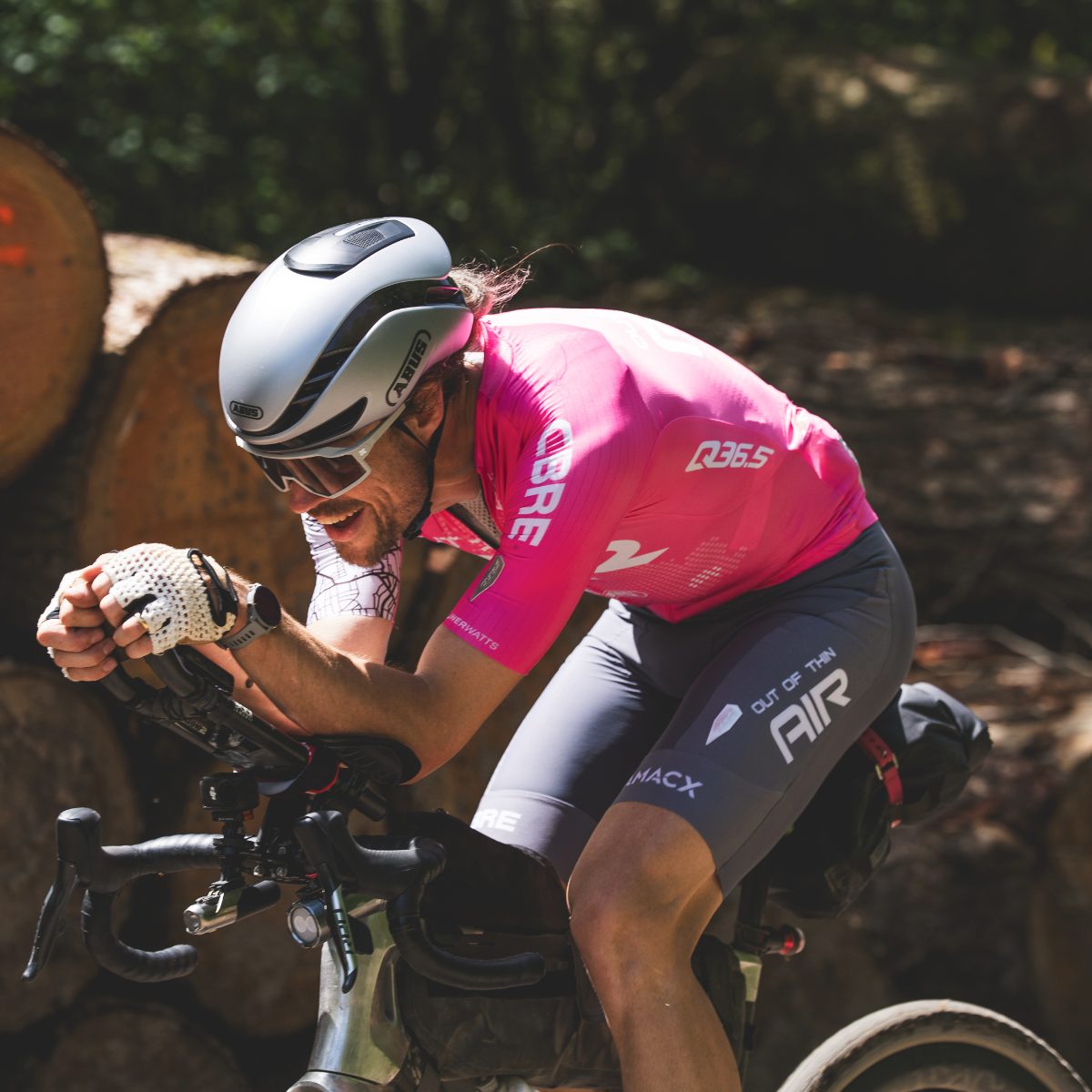
John Hale racing the Aethelred Ultra
01 — Process

Four steps. Half a day on the road.

N = 04 · v.2026
STEP01
SENSOR FIT · 15 MIN

Fit

ALTOSTRATUS, FORMA, TEMPO and the NIMBUS data logger mounted to your bike. Power meter required.

STEP02
COURSE · 600 – 1000 m

Set up

Straight, low-traffic course with under 1% gradient — a quiet local road or cycle path near you.

STEP03
RIDE · 8 – 10 RUNS

Ride

Repeat the course while we swap positions, helmets, suits and wheels. Wind & yaw logged live.

STEP04
PORTAL · SAME DAY

Result

CdA per run on the CIRRUS portal. Written report and a review call to lock in changes.

In partnership with
Streamlines Aero

We test using CIRRUS — the real-world aerodynamic drag measurement system from Streamlines Aero. It measures drag to within 2 watts on everyday roads, not a wind tunnel, so we can iterate your position and kit on the courses you actually race.

About the CIRRUS system →
ALTOSTRATUSWind sensor
Four-port probe · wind speed to 0.2%, direction to 0.1°, altitude & air density.
FORMABody position
Three infrared lasers track head & chest position — ~75% of a rider's drag.
TEMPOSpeed sensor
Microsecond wheel-speed timing — 10× more precise than standard sensors.
NIMBUSData logger
Captures every sensor on-bike, then syncs to the cloud for analysis.
CIRRUS PortalResults
Automatic calibration & calculation — clear CdA you can read run-to-run.
02 — The measurement

Measured, not estimated.

Every change is tested on the road and measured directly — so the numbers in your report are your own, not a rule of thumb.

Measurement accuracy
± 2W
CIRRUS drag accuracy in real-world wind & road conditions.
·
Configs / session
10+
Positions, helmets, suits and wheels tested back-to-back in a half day.
+
03 — Equipment

What you actually book.

SELECT A PACKAGE
PKG.01REMOTE

Setup Consultation

A video call covering position, kit, contact points and race-day setup. Finding the marginal gains for ultra, Ironman and TT, with no testing needed.

Video call60 – 90 min
Follow-upWritten notes
From£100
PKG.02HALF DAY

Half-Day Test

Around three hours on a local course. Baseline your setup, then test the changes most likely to matter.

Configsup to 10
Report+ review call
From£395
PKG.03FULL DAY

Full-Day Test

Two testing blocks with a break between. Position work plus helmets, suits and wheels — race-day setup, locked.

Configs20+
Report+ review call
From£695
04 — FAQ

Questions we hear, most often.

Q.01Do I need a TT bike?+
No. Road and gravel bikes are tested exactly the same way as TT setups — only the position changes. Riding something else? Get in touch.
Q.02Do I need a power meter?+
Yes. CIRRUS needs a calibrated power meter on your bike — it pairs that with our sensors (ALTOSTRATUS, FORMA, TEMPO) to compute drag.
Q.03What if it's windy?+
Fine in almost any conditions safe to ride in. The ALTOSTRATUS sensor measures wind speed to 0.2% and direction to 0.1° so we compensate run-by-run.
Q.04Where do we actually test?+
A quiet local road or cycle path with under 1% gradient and around 600–1000 m of clear straight. We'll scout one near the studio or your base.
Q.05Can I bring my own helmet / suit / wheels?+
Absolutely — and we encourage it. A Full-Day Test leaves time to sweep your kit as well as your position.
Q.06When do I get the report?+
Run-by-run CdA is in the CIRRUS portal the same day. A written report plus a review call follow within 72 hours.

Ready to find your watts? Book a scan and we'll handle the rest.